Why Unifying Travel and Expense Management Is No Longer Optional for Modern Enterprises

For most organizations, business travel is one of the few cost centers where decisions are made in real time, but evaluated much later. Bookings happen instantly, often under pressure, while expenses are reviewed days or even weeks afterward. This gap between action and accountability is where inefficiencies begin - and where unified systems can make the biggest difference.
What’s surprising is not the scale of travel spend, but how it is still managed.
In many organizations, travel booking and expense management continue to exist as separate ecosystems. Flights and hotels are booked through one platform, while expenses are reported later - often manually or through disconnected systems. What seems like a minor operational gap quietly compounds into a structural inefficiency.
A report by Deloitte, highlights that cost control remains a critical concern, with 54% of travel managers citing it as a top factor influencing travel decisions. Without a unified view, organizations are effectively trying to manage a growing financial category with incomplete data.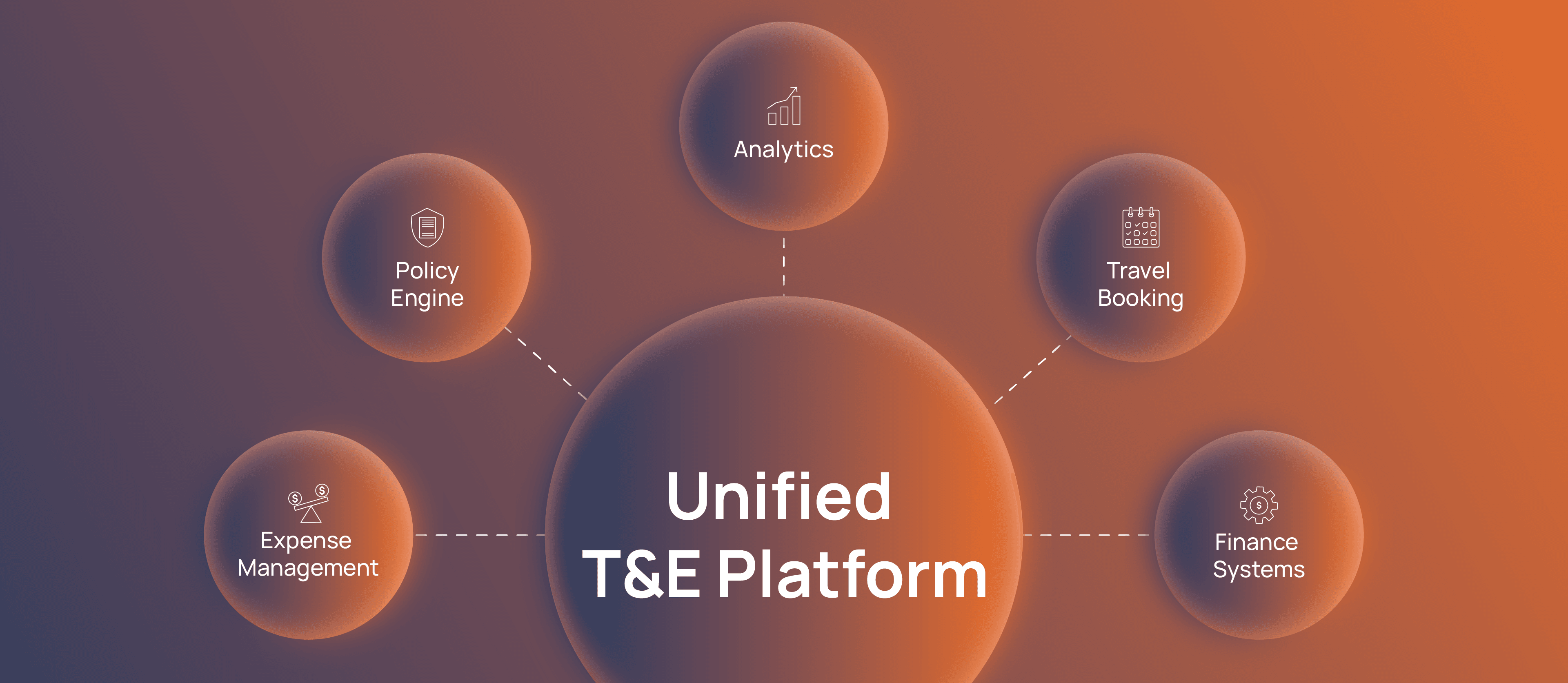
When Data Doesn’t Talk, Costs Escalate
The real issue with fragmented systems is not just inconvenience, it’s invisibility.
When booking data and expense data live separately, companies lose the ability to see the true cost of a trip in real time. Finance teams are forced into retrospective analysis, identifying issues only after expenses are submitted and processed.
This delay has measurable consequences. Insights reported by Reuters highlight that rising airfares and sustained cost pressures across the aviation sector are continuing to drive up overall travel expenses, making cost predictability increasingly difficult for businesses. In such an environment, reactive systems are simply not enough.
A unified approach changes this dynamic entirely. By connecting booking, policy, and expense data into a single flow, organizations gain immediate visibility into spend behavior - not weeks later, but at the moment decisions are made.
The Shift from Enforcement to Prevention
One of the most overlooked advantages of unification lies in how it transforms policy compliance.
In traditional setups, compliance is enforced after the fact. Employees book what they believe is reasonable, submit expenses, and finance teams later identify policy violations. This approach is inherently inefficient - it corrects behavior after the cost has already been incurred.
However, companies are increasingly moving toward preventive governance models. In travel, this means embedding policy directly into the booking and expense flow.
When travel and expense systems are unified, compliance becomes built-in rather than enforced. Employees are guided toward policy-compliant choices at the time of booking, reducing the need for corrections, approvals, and escalations later.
The result is not just better compliance, but a smoother experience for both employees and finance teams.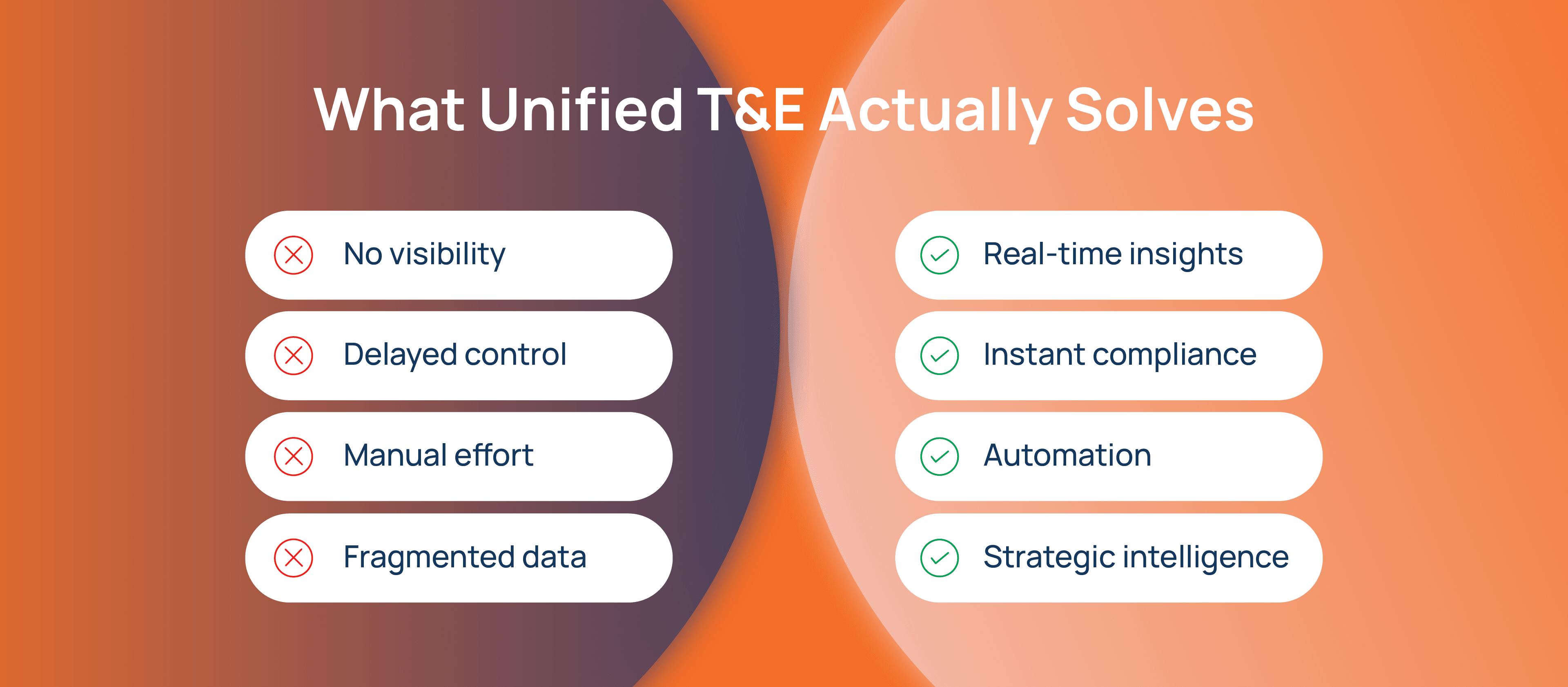
Automation Is No Longer a Differentiator, It’s a Requirement
The modern workforce expects speed, simplicity, and minimal manual effort. Yet, expense management in many organizations still relies on receipts, manual entries, and delayed approvals.
Research from McKinsey & Company indicates that automation can reduce operational and administrative costs by 20-30%, while significantly improving efficiency and accuracy in finance processes. Travel and expense management is a prime candidate for such transformation.
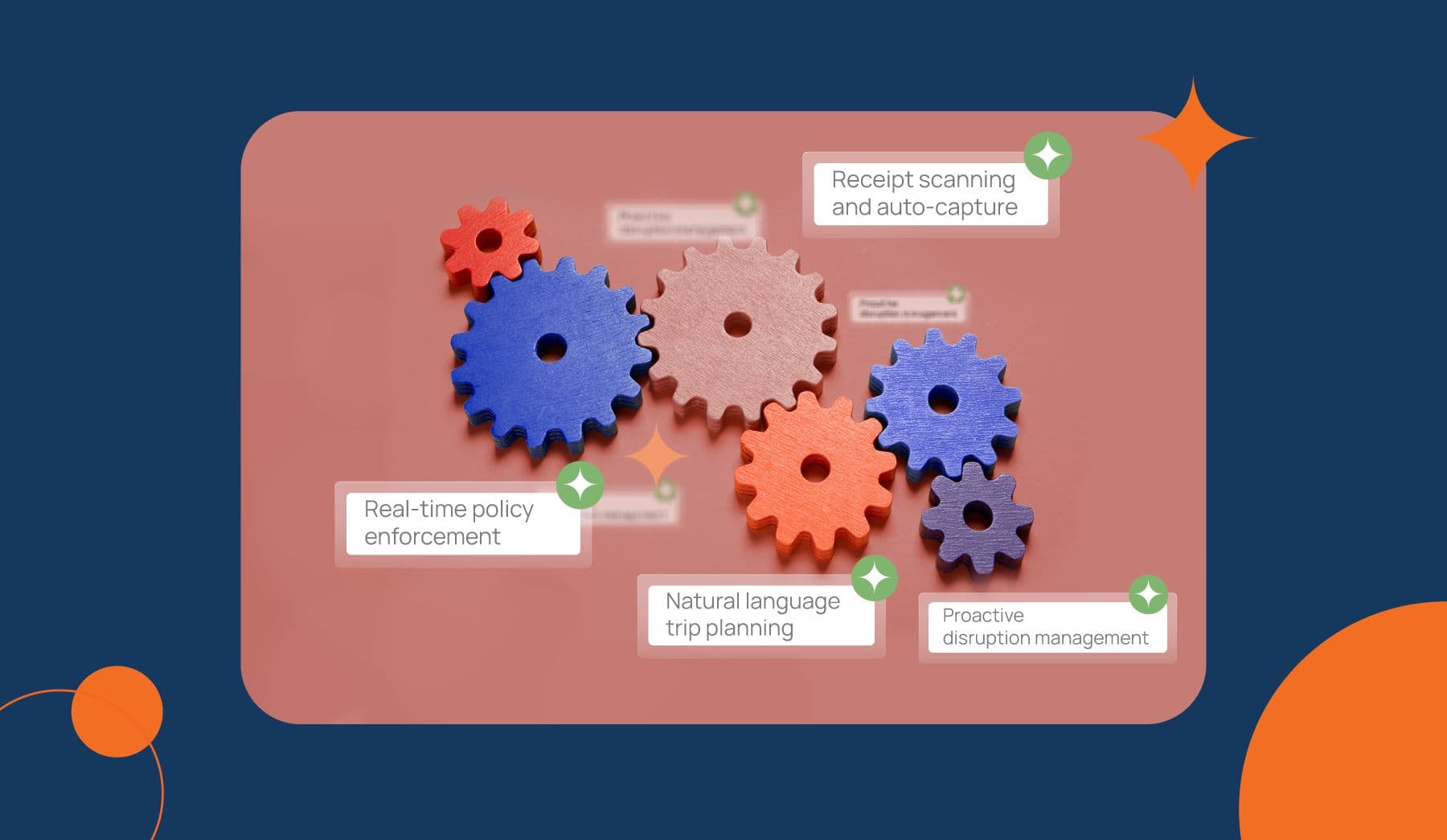
When systems are unified, automation becomes far more powerful. Expenses can be generated directly from bookings, matched automatically, and routed for approval without manual intervention. Reimbursements become faster, errors reduce, and administrative overhead drops substantially.
More importantly, employees no longer perceive expense reporting as a burden - an often underestimated factor in overall productivity.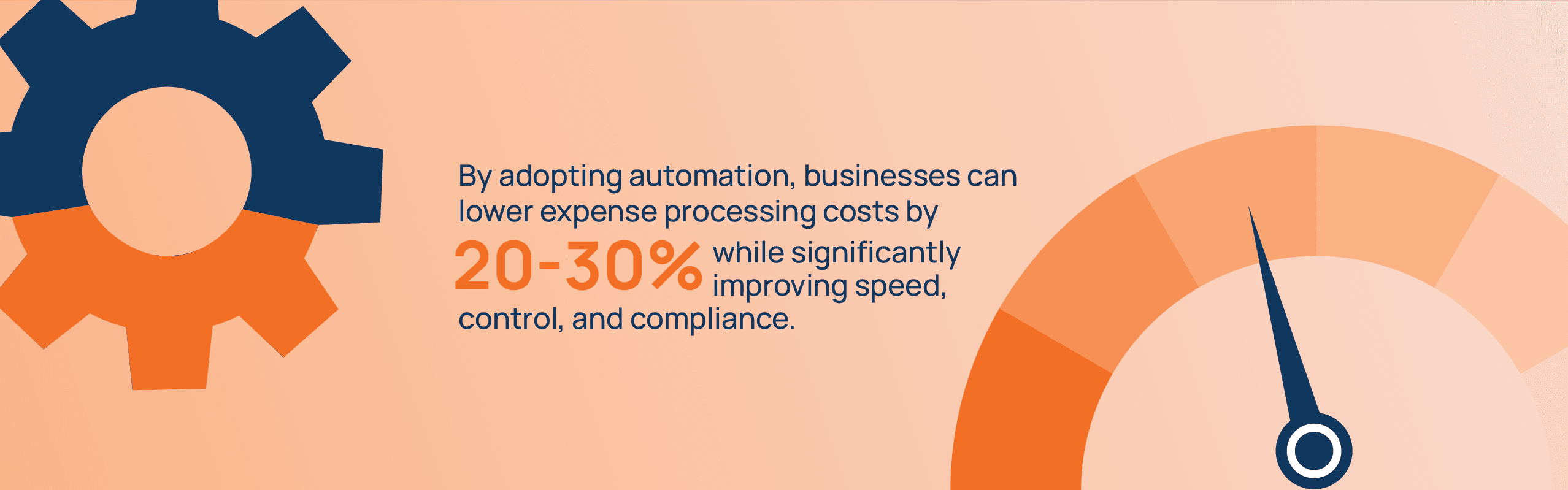
From Operational Data to Strategic Insight
Perhaps the most compelling reason to unify travel and expense management is the strategic value of data.
Individually, travel data and expense data offer limited insights. Together, they create a comprehensive view of organizational behavior, how employees travel, when they book, where costs spike, and where savings opportunities exist.
According to analysis featured by Harvard Business Review, organizations that leverage integrated data systems are significantly better positioned to make predictive and data-driven decisions. In the context of corporate travel, this translates into smarter budgeting, optimized vendor negotiations, and more effective travel policies.
For instance, unified data can reveal patterns such as last-minute bookings driving higher costs or preferred vendors not being utilized effectively. These insights are difficult, if not impossible, to extract from disconnected systems.
The Market Is Already Moving Ahead
The transition toward unified travel and expense management is not a future possibility, it is already underway.
Industry analyses reported by The Wall Street Journal highlight how enterprises are increasingly investing in integrated platforms as part of broader digital transformation initiatives. Finance leaders are prioritizing solutions that offer end-to-end visibility and control, rather than fragmented functionality.
This shift is also being driven by changing expectations. Employees expect seamless digital experiences, while organizations demand tighter financial governance. Unified systems are uniquely positioned to address both.
A Structural Shift, Not Just a Technology Upgrade
Unifying travel and expense management is often perceived as a technology decision. In reality, it is a structural shift in how organizations manage one of their most dynamic cost centers.
It moves travel from being an operational activity to a strategically managed function-one that is measurable, controllable, and continuously optimized.
As business travel continues to grow in scale and complexity, the limitations of fragmented systems will only become more pronounced. Organizations that fail to adapt will find themselves dealing with rising costs, compliance challenges, and operational inefficiencies.
Those that embrace unification, on the other hand, will gain something far more valuable than efficiency-clarity, control, and competitive advantage.
Final Thoughts
The question is no longer whether organizations should digitize travel and expense management. That phase is already behind us.
The real question is whether they are ready to connect the dots.
In an environment defined by rising costs, tighter controls, and higher expectations, unifying travel and expense management is not just a logical step-it is an essential one.

Disha Chatterjee
Senior Content MarketerIn this article
1.When Data Doesn’t Talk, Costs Escalate
2.The Shift from Enforcement to Prevention
3.Automation Is No Longer a Differentiator, It’s a Requirement
4.From Operational Data to Strategic Insight
5.The Market Is Already Moving Ahead
6.A Structural Shift, Not Just a Technology Upgrade
7.Final Thoughts

Related Blogs